Laid back restaurant in the mall to try ECHIZEN crab in Fukui the home to ECHIZEN crab where they live off the coast of Fukui. Was able to try female seikogani ECHIZEN crab as well as the male gani ECHIZEN crab. Female ECHIZEN crab has less meat than a male ECHIZEN crab but found the meat to be more tender and less stringy than that from a male ECHIZEN crab. The roe that comes with the female ECHIZEN crab is extremely rich and creamy and is a great pleasure to experience. Would definitely order the female ECHIZEN crab rice next time as the rich roe would be great mixed with rice. Ordering the roe on its own is much too concentrated to enjoy on its own. Sweet shrimp was also a great dish and can feed many. ECHIZEN soba is also a must try and has an appealing chew and flavor not found in other non-ECHIZEN sobas. Would recommend FukuFuku Chaya for ECHIZEN crab if you wanted a sit down experience. On the contrary you can always go to the train station food section where you can buy ECHIZEN crab prepackaged from a stall to take away with you if you have moths coming out of your wallet.
Overview
Walking into Fukufuku Chaya feels like stepping into a quiet pocket of everyday Fukui life, the kind of place locals slip into for a reliable meal and a breather from the city. Tucked on the second floor at Japan, 〒910-0006 Fukui, Central, 1 Chome−2−1 2F, this diner-style restaurant doesn’t scream for attention. Instead, it wins you over slowly, with warmth, rhythm, and food that’s clearly made with intention.
The first time I ate here was on a rainy afternoon, after a long walk from Fukui Station. I was tired, hungry, and honestly not in the mood for anything complicated. That’s when this place shined. The menu is focused and comforting, leaning heavily into classic Japanese set meals. Think rice bowls, simmered vegetables, miso soup, and seasonal fish, all served quickly but never rushed. One of the servers explained that many ingredients are sourced locally, which tracks with what the Ministry of Agriculture, Forestry and Fisheries often highlights: regional sourcing helps preserve freshness and reduces unnecessary transport. You can taste that philosophy in the vegetables, which arrive crisp and lightly seasoned rather than overworked.
What really stood out was how smoothly everything ran. Orders are taken efficiently, food comes out in a steady flow, and the kitchen works like a well-practiced routine. That process matters more than people realize. According to studies frequently cited by the Japan National Tourism Organization, consistency is one of the top reasons travelers return to small local restaurants rather than chasing trends. This place is a case study in that idea. You don’t come for surprises; you come for food you can trust.
The menu changes subtly with the seasons, which keeps regulars engaged. During my second visit, a limited-time grilled mackerel set replaced the usual fried option, reflecting what was freshest at the market that week. A staff member casually mentioned that adjustments like these are made almost weekly. That kind of flexibility is usually discussed by culinary experts as a marker of experienced kitchens, especially in traditional Japanese dining where seasonality isn’t a gimmick, it’s a baseline.
Reviews from locals echo this experience. Many mention the calm atmosphere, reasonable prices, and portions that actually satisfy. One online review described it as quietly dependable, which might be the most accurate praise possible. Another called it the kind of place you bring your parents, and that feels right too. There’s nothing flashy, but everything feels considered.
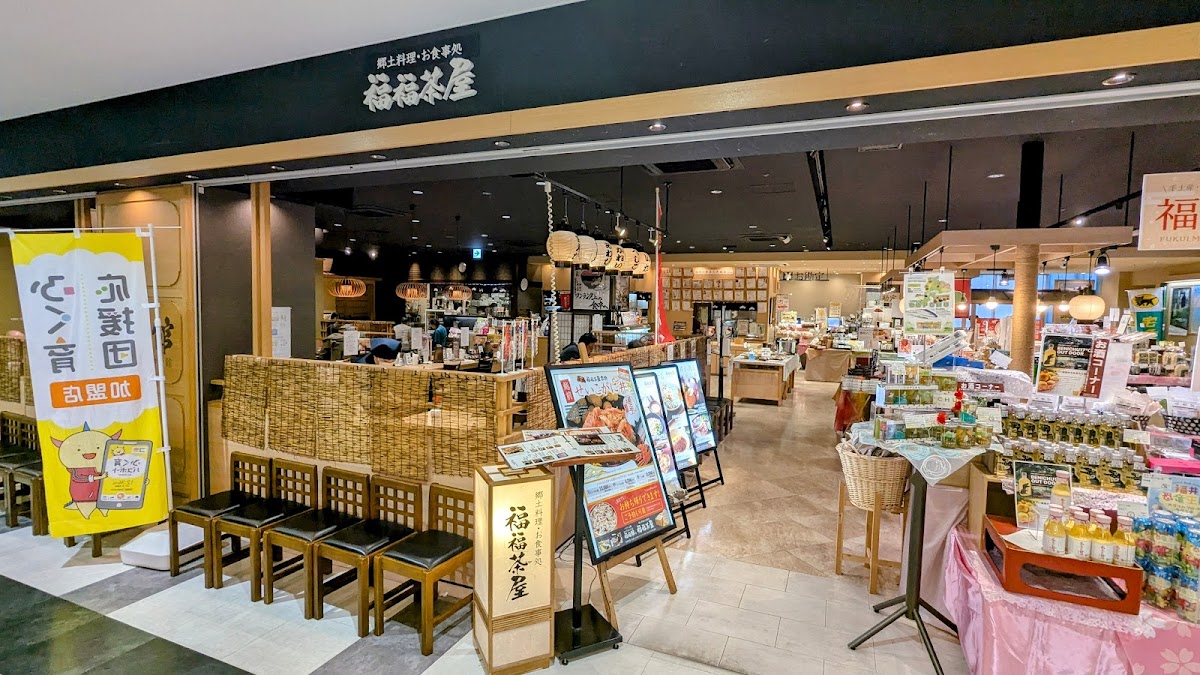
The dining area itself is simple, with clean tables and soft lighting that makes you want to linger. It’s not a café where people camp with laptops, but it’s comfortable enough to enjoy a slow lunch. I noticed several solo diners, which is often a good sign. People don’t eat alone in places that feel awkward or unwelcoming. Here, it feels normal, even encouraged.
Of course, no place is perfect. Seating can be limited during peak lunch hours, and because it’s on the second floor, it’s easy to miss if you’re just wandering by. If you’re looking for late-night dining or an extensive dessert menu, this might not be your spot. Still, those limitations are part of what keeps the experience focused.
In a city where food culture quietly thrives without much outside noise, Fukufuku Chaya fits right in. It’s a restaurant that understands its role, respects its ingredients, and serves its community without trying to reinvent itself. That confidence shows up in every tray that leaves the kitchen.
Good to know
Service options
✓ On-site services ✓ Takeaway ✓ Dine-inPopular for
✓ Lunch ✓ Dinner ✓ Solo diningAccessibility
✓ Wheelchair-accessible car park ✓ Wheelchair-accessible entrance ✓ Wheelchair-accessible toiletOfferings
✓ Alcohol ✓ Beer ✓ Coffee ✓ Quick bite ✓ Small platesDining options
✓ Brunch ✓ Lunch ✓ Dinner ✓ Dessert ✓ Seating ✓ Table serviceAmenities
✓ Smoke-free place ✓ ToiletAtmosphere
✓ CosyCrowd
✓ TouristsPlanning
✓ Accepts reservationsPayments
✓ Credit cards ✓ Credit cardsChildren
✓ Good for kids ✓ High chairsPhotos
Location
Reviews
This store runs a buffet for lunch. Good options with soba, sauce katsu and seafood being the standouts. Very reasonable prices with no time limits. Some food takes quite a while to refill so please time yourself :)
Delicious meal at attractive price and staff are very nice.
A nice eatery located inside the shop with the same name. The shop features local ingredients and traditional specialty dishes. Overall food and service here is good.
Sablefish is the best fish I've ever eaten!! Oishiiiiiiiii
ハピリンをとことこしてたら見えたので入店。 福井といえばやっぱりソースカツ丼とおろしそばでしょ!とセットで注文しました。 おろしそばは平均より味が濃いめ。メインディッシュのあとに食べると味がわからなくなるので蕎麦セット頼む人はそばから味わうようにしましょう。大根おろしと鰹節がそばにいいアクセント与えてて美味しいです。カロリーも少ないし無限に食べられますね。 カツ丼は味、食べ応え、食感の三つが最高に良かったです。 味はほんのりフルーティーな甘さを感じるぐらいのソースにカツの組み合わせ。食べ応えは少し硬いのですがグッと噛むと美味しさが溢れてくる感じです。僕はそれぐらいが嬉しいですが人によっては硬すぎると感じることがあるかも。食べ方には要注意です! 食感は衣がパリパリなので食欲が勝手に増進されていきます。味が濃いめの分カツの油はちょっとだけ控えめなので美味しく食べれます。 福井の味覚定食みたいな名物盛り合わせセットもあったので次回はそれ食べます。個人的には昼頃について何かつまみたくなった旅行客に行って欲しいスポットだったりします。 また来ます。 I was strolling around Happirin when this place caught my eye, so I decided to step in. When it comes to Fukui, you really can’t skip the classics — sauce katsudon and oroshi soba — so I ordered them as a set. The oroshi soba has a bolder flavor than average. Despite the name, oroshi soba doesn’t mean the noodles are grated — it refers to soba served with grated daikon radish on top. If you eat it after the main dish, the flavor may get lost, so I recommend starting with the soba if you order the set. The grated daikon and bonito flakes add a refreshing accent, making it light and very enjoyable. It’s low in calories and honestly feels like something you could eat endlessly. The sauce katsudon really stands out in three ways: flavor, texture, and satisfaction. The sauce has a subtle fruity sweetness that pairs perfectly with the cutlet. The meat itself is a bit firm, but once you bite into it, the flavor really opens up. I personally enjoy that texture, though some people might find it a little tough — something to keep in mind when ordering. The crispy coating adds a crunchy texture that naturally boosts your appetite. Even though the flavors are bold, the cutlet isn’t overly oily, so it’s surprisingly easy to finish. They also offer a local sampler-style set featuring Fukui specialties, which I’m definitely trying next time. Personally, I’d recommend this spot for travelers who arrive around lunchtime and want something satisfying without going too heavy. Until next time — I will be back for more.
福井の名物がひと通り揃っているお店で、福井駅から近い立地なので、あまり時間が無い中で福井にきた感を楽しむのに良さそうです。 竹田の油揚げ定食を頂きました。油揚げはふわふわ系の油臭さが無い感じで食べ易い印象です。他におろしそば、ソースカツ丼、海鮮丼がミニ丼で提供されるので、意外とボリュームがあり、満足できました。各々の味は専門店で提供されるものほど感動するわけではなさそうですが、まとまった感じで美味しかったです。複数の名物を少しずつ楽しめるので、色々楽しみたい方にはオススメです。 地酒のラインナップが思いの外多かったので、軽く飲んで食事したい方にも良さそうです。